
Exploring Ancient Jewelry Techniques of Romans Egyptians and Greeks

Jewelry has been a significant aspect of human culture and expression throughout history. In ancient civilizations, jewelry was not only a means of adornment but also conveyed social status, religious beliefs, and artistic expression. This blog post delves into the jewelry-making techniques of three remarkable civilizations: the Romans, Egyptians, and Greeks. Each of these cultures developed unique styles and techniques that continue to inspire modern jewelers today.
The Significance of Jewelry in Ancient Civilizations
Jewelry served multiple purposes across ancient cultures. It was used in rituals, as a status symbol, and as a form of currency. The significance of jewelry extended beyond mere decoration; it was deeply intertwined with identity, wealth, and belief systems.
The ancient Egyptians, for instance, believed that jewelry had protective qualities. Items worn by the living were thought to ensure safe passage to the afterlife. The Greeks celebrated beauty, while Roman jewels often represented both luxury and political power.
Through their techniques and artistry, each civilization enriched the world’s understanding of adornment and personal expression.
Roman Jewelry Techniques
Ancient Roman jewelry was characterized by its opulence and sophistication. The Romans mastered various techniques that included engraving, cloisonné, and granulation.
Goldsmithing and Engraving
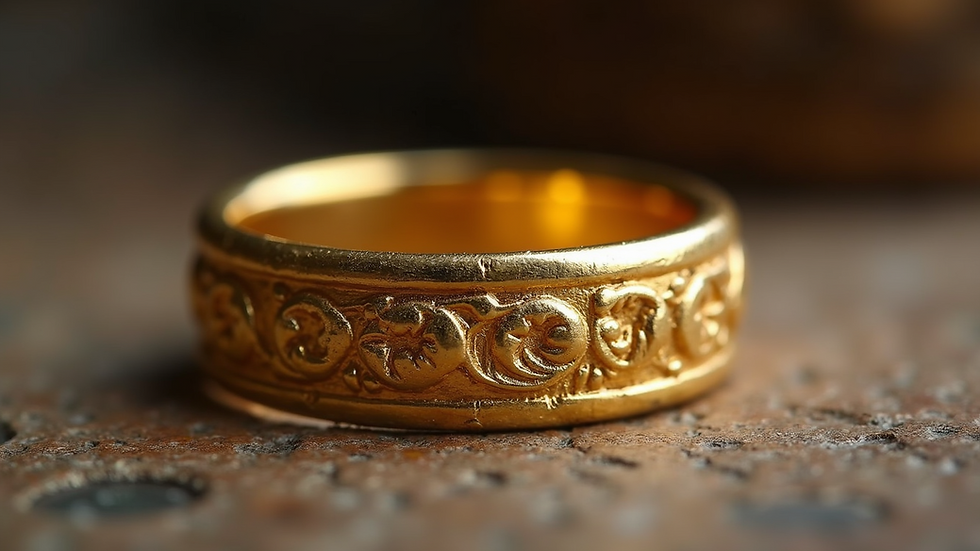
Goldsmithing was a highly esteemed craft in Rome. Skilled artisans would create intricate designs through engraving, a technique that involved carving patterns or images into metal. This method allowed artisans to produce detailed imagery, such as mythological figures and complex geometric shapes, making each piece uniquely exquisite.
Engraved signet rings were particularly popular, symbolizing authority and often bearing the wearer's family crest or mark.
Cloisonné and Granulation
The cloisonné technique used thin strips of metal to create compartments filled with colored glass or gemstones. This technique produced stunning patterns and vibrant colors, showcasing the sophistication of Roman aesthetics.
Granulation, on the other hand, involved fusing small metal granules onto a surface. This technique added texture and depth to jewelry pieces, enhancing their visual appeal while showcasing the jeweler's skill.
Egyptian Jewelry Techniques
Egyptian jewelry craftsmanship was unrivaled, blending artistry with symbolic significance. Egyptians often used gold and semi-precious stones to create stunning pieces that reflected their beliefs and societal structure.
Faience and Beadwork
Faience, a ceramic material that resembled glazed pottery, was often used in creating colorful beads and amulets. The Egyptians developed remarkable techniques to produce faience in various hues, which were then shaped into beads and strung together for necklaces and bracelets.
Beadwork held deep spiritual meaning, often believed to provide protection and health benefits to the wearer.
Gold and Gemstone Setting
Gold was the preferred metal in ancient Egypt, representing wealth and immortality. Skilled artisans employed sophisticated techniques to set gemstones and create elaborate designs.
The Egyptians often used lapis lazuli, turquoise, and carnelian, which were significant in both beauty and symbolism. Artisans carefully crafted intricate designs that included representations of deities and ancient symbols, merging physical beauty with spiritual significance.
Greek Jewelry Techniques
Greek jewelry was marked by its elegance and intricate designs that reflected the ideals of beauty and proportion valued by their society. Greeks often favored craftsmanship that revealed the skill and artistry of the jewelers.
Use of Silver and Gold
Greeks commonly used both gold and silver, often creating striking contrasts within their designs. They utilized various techniques like filigree, which involved twisting thin metal wires into delicate patterns, often forming floral or natural motifs.
The interplay of light and texture in filigree work presented an ethereal quality, making Greek jewelry highly sought after.
Applying Mythology to Jewelry
Greek jewelry often featured themes inspired by mythology. Designs commonly included charms and pendants that depicted gods, goddesses, and mythical creatures, emphasizing the cultural connection to their beliefs.
The use of mythology in jewelry reflected the craftsmanship of the period, as pieces were often light enough for everyday wear while still carrying heavy symbolic weight.
The Craftsmanship Behind Ancient Jewelry
The ancient civilizations of Rome, Egypt, and Greece exemplified remarkable skills in jewelry-making. Their artisans employed various techniques, showcasing both creativity and technical prowess.
Tools and Materials
The tools used by ancient jewelers included chisels, hammers, and polishing stones, which helped refine their delicate creations. Metals like gold and silver were favored for their malleability and aesthetic appeal, while gemstones were chosen for their color and symbolism.
The techniques such as soldering, hammering, and casting allowed artisans to experiment with different forms, making it possible to create pieces that were not only beautiful but structurally sound.
Cultural Influences
Each civilization was influenced by their surrounding culture and geography. The Egyptians’ access to precious metals and stones from nearby mines informed their abundant use of these materials in jewelry. Greek craftsmanship was elevated through trade with other regions that contributed new techniques and styles.
Meanwhile, Roman jewelry combined influences from conquered territories, integrating diverse aesthetics into their own designs, thereby creating a unique hybrid style that was reflective of their expansive empire.
Conclusion
The jewelry of ancient civilizations provides a fascinating glimpse into the artistry, beliefs, and cultural values of the Romans, Egyptians, and Greeks. Each civilization developed techniques that were not only innovative for their time but also paved the way for future generations of jewelers.
By studying these ancient practices, modern artisans can draw inspiration from the rich history of jewelry-making, celebrating the passion and creativity that have endured through the ages.
Whether it is the elaborate goldsmithing of the Romans, the spiritual beadwork of the Egyptians, or the elegant filigree of the Greeks, the legacy of ancient jewelry continues to resonate in today’s world of adornment.
Jewelry is no longer just a form of decoration; it is a bridge connecting the past with the present, reminding us of our shared human experiences and artistic heritage.

$50
Product Title
Product Details goes here with the simple product description and more information can be seen by clicking the see more button. Product Details goes here with the simple product description and more information can be seen by clicking the see more button

$50
Product Title
Product Details goes here with the simple product description and more information can be seen by clicking the see more button. Product Details goes here with the simple product description and more information can be seen by clicking the see more button.
$50
Product Title
Product Details goes here with the simple product description and more information can be seen by clicking the see more button. Product Details goes here with the simple product description and more information can be seen by clicking the see more button.


Comments